If your bunion is deciding what shoes you wear, we should talk!
Call Now
Quick Online Appointment
Complimentary Bunion Consultation*
Get a clear , expert evaluation and honest recommendations based of 44+years of experience
Not applicable to Medicare patients due to federal regulations.
“We treat bunions every day in our Kansas City and Overland Park offices.”
Bunion Pain Is More Than Just a Bump
If your big toe is drifting, your shoes are becoming uncomfortable, or pain is starting to limit your activity—you may be dealing with a bunion (hallux valgus), a condition that gradually worsens over time.
Common signs include:
• Pain with walking or standing
• Difficulty fitting into comfortable shoes
• A bump that continues to enlarge
• Reduced activity due to discomfort
• Treatment Focused on You
At our Kansas City and Overland Park offices, care always starts conservatively whenever possible.
Surgery is recommended only when necessary—and when it is, it’s tailored specifically to your condition using modern techniques, including Lapiplasty.
Experience You Can Trust
Dr. Bembynista is board certified by the American Board of Podiatric Surgery and brings over 44 years of experience treating bunions (abfas.org).
Patients also benefit from something uncommon—direct access to their surgeon before and after treatment.
You Don’t Have to Live With It
If your bunion is getting worse or limiting your lifestyle, there are effective options to relieve pain and restore function.
👉 Schedule a consultation to see what’s right for you
about Bunions
Why Bunions Develop—and Why Early Care Matters
Bunions are often inherited and tend to worsen gradually over time. You may notice increasing discomfort depending on your shoes, daily activity, or how your foot functions.
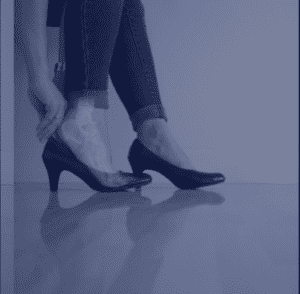
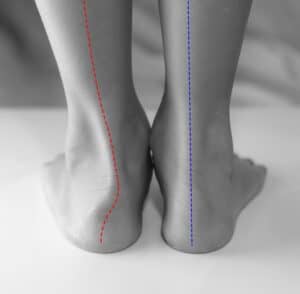
A major contributing factor is pronation—an instability in the foot that places excess pressure on the big toe joint and accelerates the deformity. Tight or narrow shoes, as well as high heels, can make symptoms worse by crowding the toes.
As the bunion progresses, it can begin to change the overall shape and mechanics of your foot—sometimes leading to pain not just in the bunion, but also in the foot, ankle, or even the leg.
________________________________________
When Bunions Progress, Other Problems Often Follow
Over time, the big toe may push against the second toe, leading to hammertoe deformities. This can increase pain, limit your shoe choices, and make everyday activities more difficult.
If left untreated, bunions often become more rigid and symptomatic impacting both mobility and quality of life.
________________________________________
Our Approach: Relieve Symptoms and Slow Progression First
Treatment always begins with the least invasive options whenever possible.
Early care may include:
• Shoe modifications to reduce pressure
• Protective padding for irritation
• Targeted injections to reduce inflammation when needed
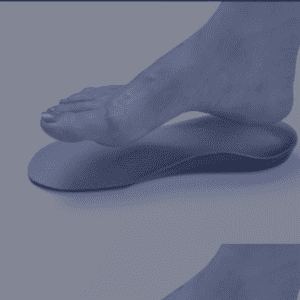
• 3-D Custom Made Orthotics
While these treatments can significantly reduce discomfort, they do not reverse the structural deformity.
When Is Surgery the Right Option?
While many patients do well with conservative care, there comes a point when the bunion continues to progress despite these efforts
Surgical Correction—Done the Right Way, for the Right Patient
Bunion surgery is not one-size-fits-all. The key is selecting the right procedure for your specific foot structure and severity.
At our practice, surgical correction is only recommended when truly necessary—and when it is, the focus remains simple:
correct the deformity, relieve pain, and restore function with the most appropriate and least invasive approach possible.
Advanced techniques, including Lapiplasty and other modern procedures, allow for more precise correction and more predictable outcomes
About treatment
Surgery for Bunions
As seen on FOX4 News!
If pain does not improve with conservative care, surgical correction may be recommended. A bunionectomy involves removing the bony enlargement and realigning the big toe using a precise bone cut (osteotomy), which is stabilized with small screws.
The procedure is performed on an outpatient basis under IV sedation . You remain breathing on your own in a comfortable, twilight like sleep while the foot is fully numbed. Through the IV we give you a pre-op antibiotic and Toradol which reduces post op pain. Pain medication is provided in advance, and patients must take the pain medication every 4 hours for the first 24 to 36 hours to control any pain.
After surgery, Dr. Bembynista will contact you the same evening to check your progress and review instructions. You will have Dr. Bembynista cell number for questions during your recovery. Follow-up occurs within a week for bandage care and early motion exercises. Sutures are typically removed in about two weeks, and most patients return to regular shoes within 4–8 weeks
Before & After
Click the arrows to see the x-ray!